Designers Are Putting Their Reputations on These Wall Trends — Here's What's Actually Built to Last in 2025
Every January, the internet floods with trend forecasts. Most of them are vibes dressed up as predictions — a mood board here, a Pinterest board there, a lot of words like "quiet luxury" and "dopamine décor" that mean slightly different things depending on who's saying them.
But interior designers who work with real clients in real homes? They're operating differently. They're not chasing what looks good in a Reels thumbnail. They're betting their professional reputations on what will still look intentional and fresh when a client walks past that wall in 2027.
So we dug into what's actually getting recommended — and what's getting quietly shelved.
The Shift From Accent Walls to Immersive Rooms
For about a decade, the accent wall was the entry-level move for anyone wanting to add personality without committing to a full room transformation. One bold wall, three neutral ones, done. It was safe. It was sensible. And according to a lot of designers working today, it's starting to feel a little timid.
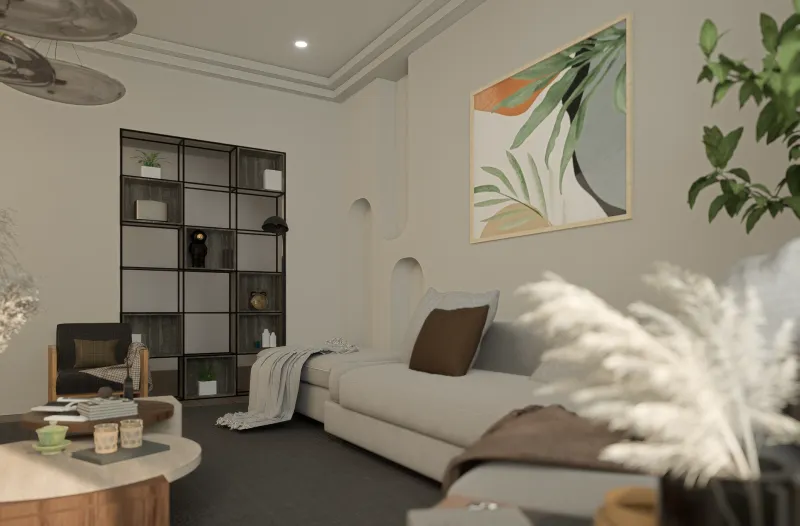
What's replacing it isn't necessarily more expensive or more complicated — it's more committed. Designers are increasingly recommending that clients take color or pattern all the way around a room, treating the walls as a unified environment rather than a collection of surfaces. Deep, enveloping tones — think tobacco brown, aged burgundy, inky green — applied to all four walls (and sometimes the ceiling) create a sense of intentionality that a single accent wall just can't match.
This isn't a new idea. It's actually a return to pre-mid-century design thinking, when rooms were meant to feel like complete worlds. The difference now is that people are less afraid of it.
Plaster and Limewash: Not Going Anywhere
If you've been watching the interior design space for the past couple of years, you've seen limewash paint everywhere. The chalky, layered, almost-ancient-looking finish has had a serious moment — and based on what designers are saying, that moment isn't over. It's just maturing.
The reason limewash has staying power isn't trend momentum — it's the underlying appeal. People are genuinely hungry for walls that feel handmade, imperfect, and alive. In a world of mass-produced everything, a finish that looks like it was applied by human hands (because it was) carries real emotional weight. That's not a passing fad. That's a response to something deeper in how we want our homes to feel.
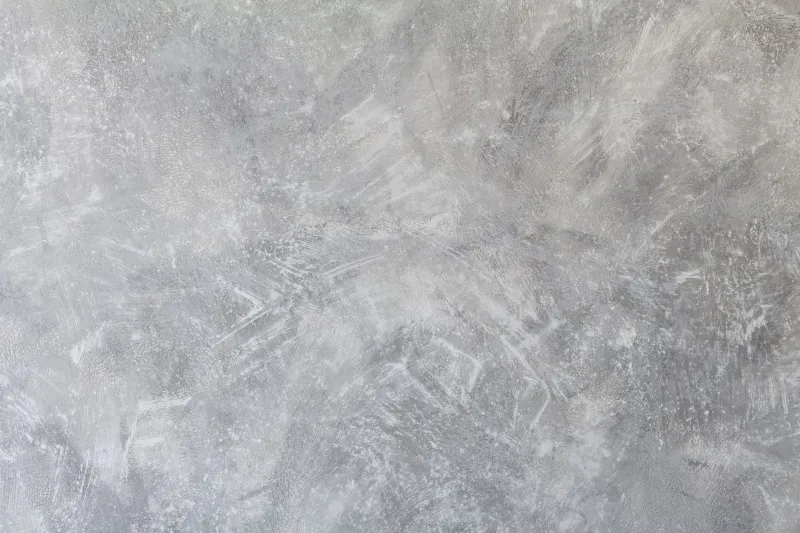
Venetian plaster is following a similar trajectory. It's labor-intensive and more expensive than standard paint, but designers who work in the higher-end residential market say clients who invest in it almost never regret it. The depth and luminosity it creates — the way it seems to glow from within — simply can't be replicated with a standard roller and a can of flat paint.
Wallpaper Is Back, But It's Grown Up
Wallpaper never fully went away, but the version making a serious comeback in 2025 looks very different from the floral grandma-wallpaper associations that gave it a bad reputation for a generation.
What designers are recommending now tends to fall into two camps:
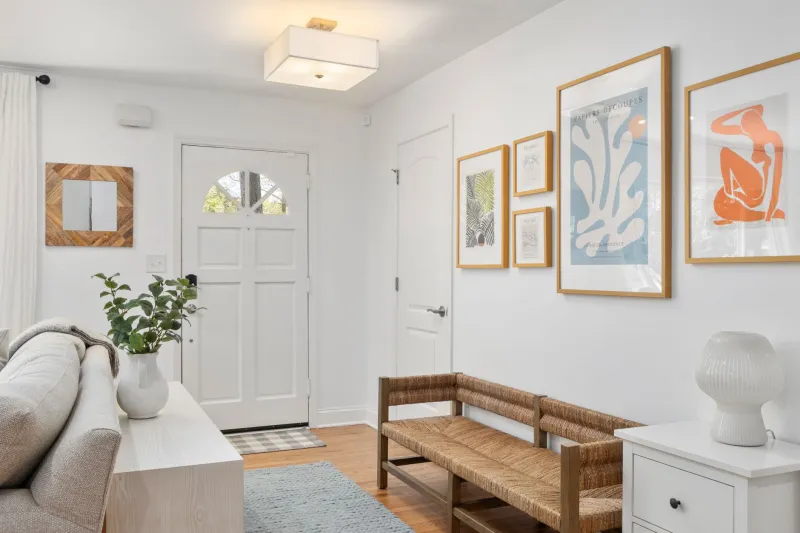
Large-scale, graphic prints — oversized botanicals, abstract marks, architectural geometrics — that function almost like permanent murals. These work best in rooms where you want a single wall to anchor the entire space: a dining room, a primary bedroom, an entryway that makes a first impression.
Textural wallpapers that you don't immediately clock as wallpaper at all — grasscloth, linen-weave, embossed plaster effects — that add dimension and warmth without reading as pattern. These are the "quiet" option for people who want the benefits of wallpaper (depth, interest, sound absorption) without committing to a print.
The common thread? Both approaches treat wallpaper as a material decision, not just a decorative one. That's a meaningful shift.
The Quiet Comeback of Wainscoting and Millwork
Architectural wall treatments — paneling, wainscoting, board-and-batten, picture-frame molding — are showing up constantly in designer project reveals right now, and not just in traditional or farmhouse-style homes. They're appearing in contemporary spaces, modern apartments, and even minimalist interiors where you might least expect them.
The appeal is practical as much as aesthetic. Millwork adds genuine character to a space in a way that paint alone can't achieve. It creates shadow lines and dimension that change throughout the day as light shifts. And it photographs beautifully, which matters in an era when we're all at least a little bit curating our spaces for the camera.
Designers are particularly enthusiastic about painted millwork — the same color as the wall behind it — which reads as sophisticated rather than traditional. It adds texture and depth without the visual busyness of contrasting colors.
What's Getting Quietly Retired
Fair is fair — if we're talking about what's staying, we should also talk about what's fading.
Shiplap had a long run. Really, it did. But it's increasingly being flagged by designers as a marker of a specific mid-2010s aesthetic that's starting to date interiors that leaned heavily into it. That doesn't mean you need to tear it down if you love it — but if you're installing it fresh in 2025, expect it to carry some baggage.
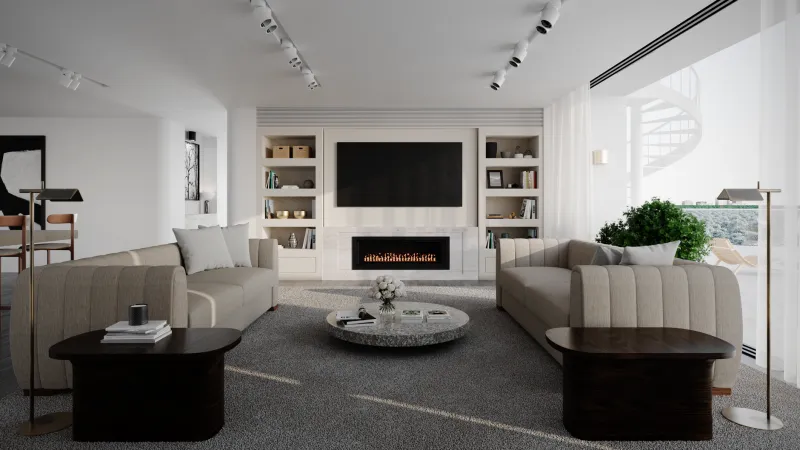
The ultra-minimalist "white box" approach — white walls, white trim, no visual interest whatsoever — is also losing ground. Not to maximalism necessarily, but to a more thoughtful neutrality that includes warmth, texture, and at least some personality. Blank white walls are starting to read less like "clean" and more like "unfinished."
The Bigger Picture
If there's a through-line in what designers are betting on right now, it's this: people want walls that feel considered. Not trendy for the sake of trendy, not safe for the sake of safe — but genuinely thought through. Walls that reflect something real about the people who live behind them.
That's not a 2025 trend. That's just good design. And that's exactly what has staying power.