Smooth Is Out: How Textured Walls Are Redefining the Way We Think About Interior Finish
For years, the default answer to 'what should my walls look like?' was simple: smooth, painted, done. Eggshell or satin, maybe a nice neutral, and call it a day. It was clean. It was safe. It was, if we're being honest, a little boring.
Something has shifted. Walk through any design-forward home in Nashville, Brooklyn, Austin, or LA right now and you'll notice walls that have presence — surfaces that catch light differently depending on the time of day, that invite you to reach out and touch them, that make a room feel like it was designed rather than just furnished.
Textured wall treatments are having a genuine cultural moment, and it goes deeper than aesthetics. It's about bringing warmth, personality, and a sense of craftsmanship back into spaces that have felt a little too polished for too long.
But texture isn't one-size-fits-all. The wrong finish in the wrong room can make a space feel cave-like, dated, or just plain exhausting. Here's what you actually need to know.
Why Texture Works (The Design Logic Behind the Trend)
Before we get into the options, it helps to understand why texture is so effective.
Flat, smooth surfaces reflect light evenly and predictably. That's great for photography — it's why so many staged homes look gorgeous in listing photos — but it can feel sterile and flat in real life.
Textured surfaces, by contrast, create micro-shadows. Those tiny variations in depth catch and scatter light differently throughout the day, giving a room a sense of life and movement even when nothing in it is moving. Morning light will make a limewashed wall glow golden. Evening lamp light will make a plaster finish look moody and dimensional.
There's also a psychological element. Texture signals handcraft, age, and intentionality — qualities that feel increasingly rare and therefore increasingly desirable in an era of mass production and algorithm-optimized everything.
The Texture Menu: Your Options, Explained
Limewash Paint
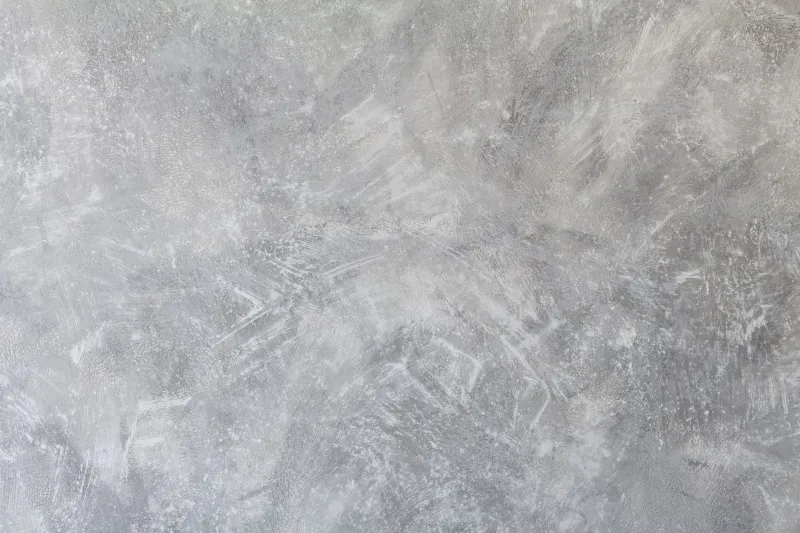
If you've seen those dreamy, softly mottled walls that look like they belong in a Tuscan farmhouse or a high-end Brooklyn loft, you've seen limewash. It's one of the oldest wall finishes in existence — literally made from slaked lime — and it creates a beautiful, layered, slightly translucent effect that no regular paint can replicate.
Best for: Living rooms, bedrooms, dining rooms. Anywhere you want warmth and character without committing to a wallpaper pattern.
Skill level: Moderate. Application technique matters — you're not just rolling it on like regular paint. But there are excellent tutorials and even pre-mixed limewash products (Portola Paints and Roman Clay by Bauwerk are popular US options) that make it accessible to ambitious beginners.
Maintenance: Low. Limewash is naturally antimicrobial and gets more beautiful as it ages.
Venetian Plaster
Venetian plaster is the luxury option — and it looks like it. Applied in thin, overlapping layers and burnished to a high sheen, it creates a surface that genuinely looks like polished stone. It's dramatic, sophisticated, and completely unlike anything you can achieve with standard paint.
Best for: Entryways, powder rooms, accent walls in formal living areas. Spaces where you want maximum visual impact in a contained area.
Skill level: High. This is one technique where hiring a professional applicator is worth the investment unless you have serious patience and a willingness to practice on board first.
Maintenance: Low once sealed. Venetian plaster is durable and easy to wipe clean.
Shiplap and Board-and-Batten
These wood paneling techniques aren't new — Joanna Gaines made shiplap a household word about a decade ago — but they've evolved. Today's shiplap isn't just the farmhouse staple it used to be. Painted in deep, moody colors or left natural, it reads as architectural and considered rather than trendy.
Board-and-batten (vertical boards with thinner strips covering the seams) tends to feel more formal and tailored, making it a great choice for home offices, dining rooms, and entryways.
Best for: Any room, honestly, but especially spaces that benefit from visual height (board-and-batten draws the eye upward) or cozy warmth (horizontal shiplap).
Skill level: Moderate to high, depending on your comfort with basic carpentry. Many homeowners DIY this successfully with a miter saw, a nail gun, and a weekend.
Maintenance: Moderate. Wood paneling needs repainting over time, and it can be susceptible to moisture in humid environments — avoid unprotected wood in bathrooms.
Peel-and-Stick Textured Panels
For renters or anyone who wants texture without commitment, the peel-and-stick market has expanded dramatically. You can now find adhesive panels that convincingly mimic brick, stone, wood, and even fabric weaves.
Best for: Accent walls in apartments, home offices, and kids' rooms.
Skill level: Low. If you can measure and cut with scissors or a utility knife, you can do this.
Maintenance: Very low — wipe clean. Removal is generally damage-free on well-primed walls.
Painted Texture Techniques: Sponging and Rag-Rolling
These techniques had a big moment in the '90s and then fell hard out of fashion. But design is cyclical, and done with restraint and a modern color palette, both sponging and rag-rolling can create genuinely interesting, organic-looking walls.
Sponging uses a natural sea sponge to dab on a second (or third) color in irregular patterns. Rag-rolling uses a crumpled cloth to create soft, layered movement.
Best for: Bedrooms and bathrooms where you want subtle texture without structural changes.
Skill level: Low to moderate. These are genuinely beginner-friendly techniques.
Maintenance: Same as regular paint — touch up as needed.
Lighting Changes Everything
Here's the thing nobody tells you about textured walls: they are highly sensitive to lighting direction. A texture that looks gorgeous under ambient overhead light might cast harsh, unflattering shadows under a single directional spotlight.
Before committing to any textured finish, spend a day observing how natural light moves through your space. Note where it's direct and where it's diffuse. Textured finishes tend to look their best in rooms with soft, diffused light or warm-toned artificial lighting. Harsh, cool overhead lighting can make even beautiful plaster look severe.
The Bottom Line
Texture adds soul to a space. It's the difference between a room that looks finished and one that feels alive. The key is matching the right finish to the right room — and being honest about your skill level and maintenance tolerance before you commit.
Start small. A single accent wall in limewash or a peel-and-stick brick panel behind a bookshelf is enough to feel the difference. Chances are, once you see what texture does to a room, smooth and flat will never feel like enough again.