Let There Be Light: How the Right Fixtures Can Make or Break Your Wall's Whole Vibe
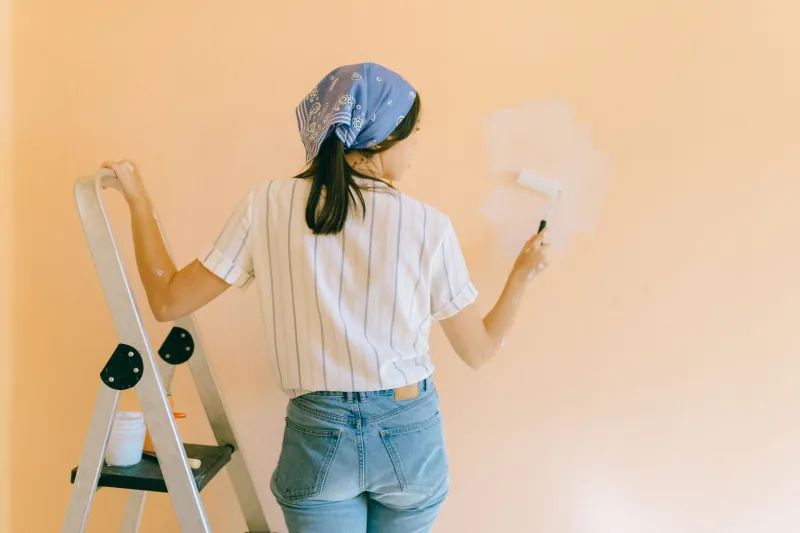
You spent three weekends choosing that dusty sage green. You tested five sample swatches. You finally committed, rolled it on, and stood back — only to realize it looks kind of... gray? Or weirdly yellow? Or just nothing like the chip you fell in love with at the hardware store?
Here's the thing nobody tells you when you're standing in the paint aisle: color doesn't exist in a vacuum. It exists in light. And if your lighting is working against your walls instead of with them, no amount of perfect palette-picking is going to save you.
Let's fix that.
The Science Part (Don't Worry, It's Quick)
Light has a measurable quality called color temperature, rated in Kelvins. Warm light (think 2700K–3000K) casts a yellowish, cozy glow — the kind you get from traditional incandescent bulbs. Cool light (4000K and above) skews blue-white, more like an overcast afternoon. Neutral daylight lands somewhere in the middle, around 3500K.
Why does this matter for your walls? Because every paint color, every wallpaper pattern, every piece of framed art is going to absorb and reflect light differently depending on its source. That sage green you loved? Under warm incandescent light, it can pull yellow or even brown. Under cool LEDs, it might look almost teal. Under natural north-facing light, it finally shows its true self.
This isn't a flaw in the paint — it's just physics. The good news is that once you understand it, you can use it on purpose.
Natural Light: The Gold Standard With a Catch
Natural daylight is the closest thing to a neutral baseline for seeing colors as they actually are. But here's the catch: natural light changes constantly. A room that faces east gets a warm, golden wash in the morning and dims significantly by afternoon. West-facing rooms do the opposite. North-facing rooms get cool, consistent light all day — which is why artists traditionally prefer north-facing studios. South-facing rooms are the wild cards, bright and warm for most of the day.
Before you commit to a wall color or a big art purchase, spend a full day in the room. Watch how the light shifts from morning to evening. That moody charcoal accent wall might look dramatic and intentional at noon and feel like a cave by 6 PM — unless you've got the right artificial light ready to pick up the slack.
Artificial Light: Your Most Controllable Tool
This is where you actually have power. Unlike the sun, you can position, angle, dim, and swap out your artificial light sources whenever you want. Here's how to make them work for your walls:
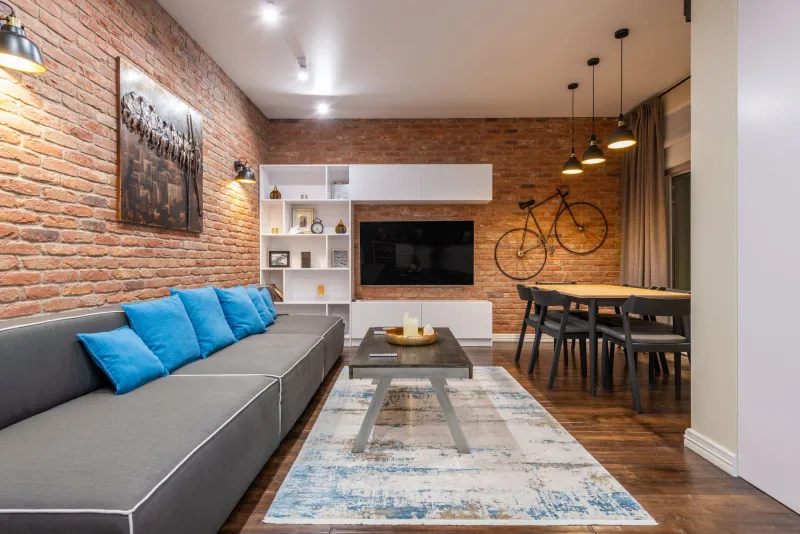
Uplighting and downlighting do very different things. Floor lamps or uplights directed toward a wall will emphasize texture — think exposed brick, plaster finishes, or a shiplap accent wall. Every ridge and groove casts a tiny shadow, giving the surface depth and dimension. Downlights from recessed cans or overhead pendants tend to flatten texture, which is great for smooth walls you want to look sleek, but can kill the drama of a textured feature wall.
Picture lights are underrated. If you've got a gallery wall or a single statement piece, a dedicated picture light mounted above the frame does something magical — it pools warm light on the art and creates a subtle halo effect that makes the surrounding wall recede. It's the same trick museums use, and it works just as well in a living room in Columbus as it does at the Met.
Sconces change the geometry of a room. Mounted on either side of a focal point — a fireplace, a bed, a large mirror — sconces draw the eye to that wall and create a sense of symmetry that feels intentional and finished. They also add layers of light, which is the real key to a room that feels designed rather than just decorated.
The Before-and-After You Can Test Tonight
Here's a quick experiment. Find a wall in your home you've been lukewarm about. Swap out whatever bulb is currently in the nearest lamp for a warm 2700K bulb, then a cool 4000K bulb, and take a photo of the wall under each one. The difference is often shocking — same wall, same paint, completely different mood.
Now try moving that lamp. Angle it toward the wall from the side instead of pointing it straight at the room. If your wall has any texture at all, you'll suddenly see it come alive in a way it never did with flat, frontal light.
That's the wall whisperer effect in action. You didn't change a single thing about the wall itself.
Matching Light to Your Wall's Personality
Different wall styles genuinely call for different lighting approaches:
-
Bold, saturated colors (deep navy, forest green, terracotta) tend to absorb light rather than reflect it. They look richest under warm, layered lighting — multiple sources at different heights rather than one overhead fixture doing all the work.
-
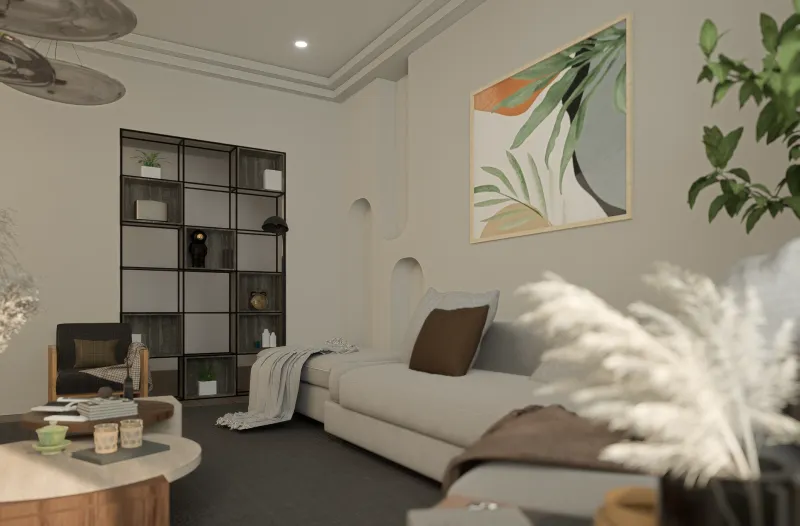
Light, neutral walls are more forgiving but can look flat and institutional under cool overhead-only lighting. Add a warm table lamp or two and watch the whole room get cozier.
-
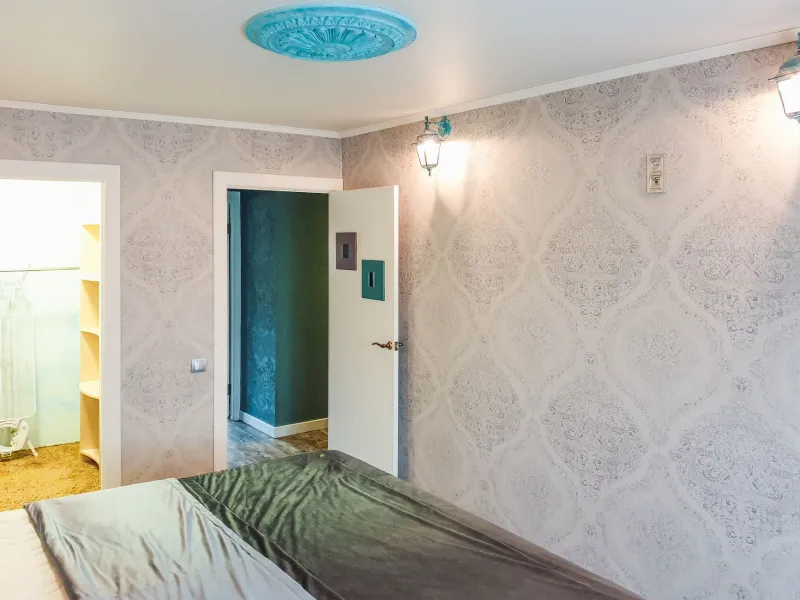
Wallpapered walls with pattern benefit from ambient lighting that doesn't create harsh shadows across the repeat. Soft, diffused sources — like a lamp with a fabric shade — let the pattern do its thing without competing with light and shadow.
-
Gallery walls are best served by a mix: ambient light to set the overall tone, plus focused light (a track system, a picture light, or even a well-placed clip light) on your anchor piece.
One Last Thing: Don't Forget the Dimmer
If you take nothing else from this, take this: install a dimmer switch. It's a $20 hardware store project that gives you infinite control over your room's atmosphere. The same wall that needs bright, energizing light at 9 AM for your work-from-home setup can shift into something soft and intimate by evening — without you changing a single bulb or fixture.
Your walls are already telling a story. Good lighting just makes sure everyone in the room can hear it.