What Your Walls Are Saying About You: The Real Science Behind Choosing the Right Color
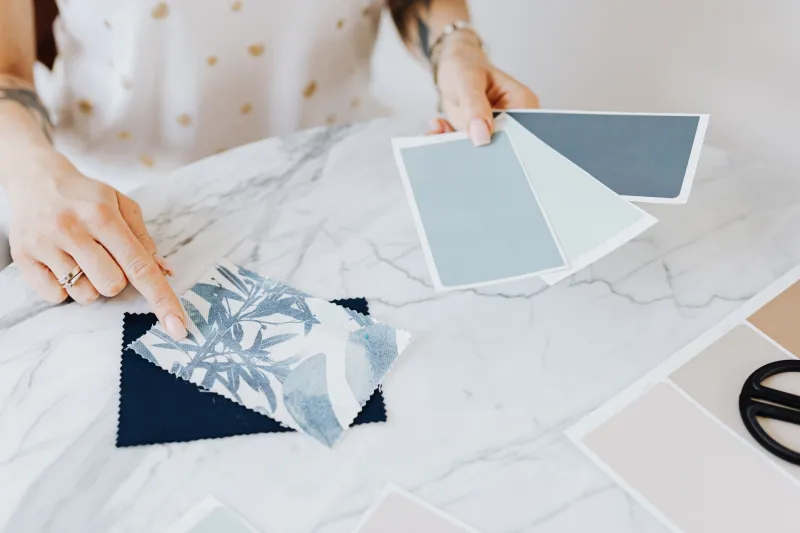
You've probably stood in a paint aisle at Home Depot, holding up those little cardboard swatches, wondering why choosing a wall color feels so impossibly hard. Here's the thing — it's not just about aesthetics. The color you put on your walls has a measurable effect on your mood, your energy levels, your productivity, and even how you present yourself to the world. That's not just interior design fluff. That's science.
At Charming Wall, we believe your home should tell your story — and nothing sets that narrative tone quite like color. So we dug into the research, talked to design pros, and put together everything you need to finally make that decision with confidence.
Why Color Psychology Isn't Just a Buzzword
Color psychology is the study of how different hues affect human behavior and emotion. It's been applied in everything from hospital design to fast-food branding — and yes, your living room walls. The field draws on both biological responses (some colors literally change your heart rate) and cultural associations built up over a lifetime.
Designer and color consultant Andrea Hurst, who works with residential clients across the Pacific Northwest, puts it plainly: "People think they're choosing a color they like. What they're actually doing is choosing how they want to feel in a room. Those aren't always the same thing."
The key is understanding the difference between what a color does to you and what it means to you — and learning to balance both.
Room by Room: What Color Actually Works Where
The Bedroom: Rest First, Style Second
Sleep researchers and interior designers tend to agree on one thing — cool, muted tones are your best friend in the bedroom. Soft blues, dusty lavenders, and warm greiges (that gray-beige hybrid that's everywhere right now for good reason) signal calm to your nervous system. Blue, in particular, has been shown in studies to lower heart rate and blood pressure, making it genuinely easier to wind down.
If you're someone who wakes up feeling anxious or restless, take a hard look at your bedroom walls before you blame your mattress. A saturated red accent wall might look dramatic on Pinterest, but it's likely working against your sleep quality.
Best picks: Dusty sage, soft chambray blue, warm white with gray undertones, pale blush
The Home Office: Sharpen Your Focus
With remote work now a permanent fixture in American life, the home office has become one of the most important rooms to get right. Green is the surprising MVP here. Because the human eye processes green with the least strain of any color, it's associated with sustained focus and reduced mental fatigue. That's why you'll see it showing up in everything from trendy Substack offices to high-end executive suites.
Yellow, used carefully, can also stimulate creative thinking — but go too bright and you'll find yourself distracted or even irritable. Stick to muted, golden yellows rather than anything that reads "school bus."
Best picks: Muted olive, forest green, warm off-white, soft golden yellow
The Kitchen and Dining Room: Appetite and Energy
Warm tones — terracotta, burnt orange, deep red — are classic kitchen colors for a reason. They stimulate appetite and conversation, making meals feel more social and satisfying. If you're the kind of person who hosts dinner parties or just wants the kitchen to feel alive, lean warm.
For a more modern, airy kitchen vibe, crisp white or pale cream keeps things feeling clean and open — great for smaller spaces where you need the illusion of more square footage.
Best picks: Terracotta, warm cream, deep navy (for a moody, dramatic kitchen moment), sage green
Living Rooms: The Personality Test
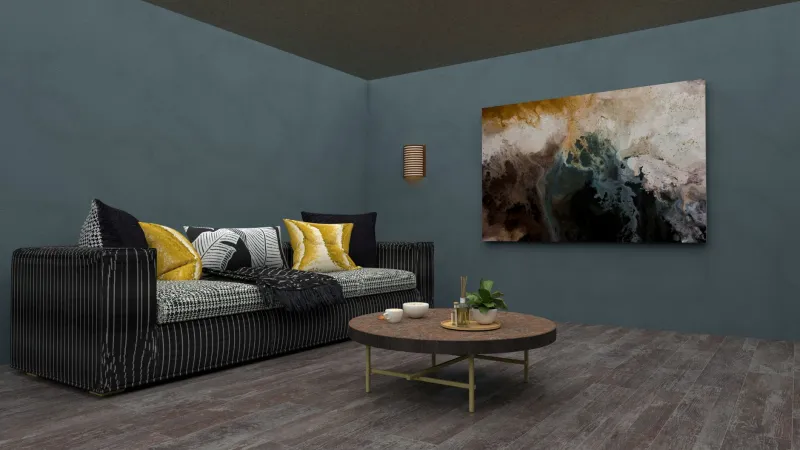
This is where color gets personal. The living room is your most public space — it's where guests form their first real impression of who you are. Neutral doesn't have to mean boring. A warm taupe or greige says "I'm grounded and sophisticated." A moody navy or forest green says "I have opinions and I'm not afraid of commitment." A terracotta or rust says "I've been to Santa Fe and I want to bring that energy home."
Discover Your Signature Wall Color: A Quick Personality Check
Not sure where to start? Answer these honestly:
1. When you walk into a coffee shop, you're most drawn to one that feels: a) Bright, white, and minimal b) Warm, wood-toned, and cozy c) Moody, dark, and intimate d) Colorful, eclectic, and a little chaotic
2. Your ideal Saturday looks like: a) Organizing your closet and meal prepping b) Farmers market, then a long walk c) Reading a book with a glass of wine d) Thrift shopping and trying a new restaurant
3. The word that best describes your style is: a) Clean b) Natural c) Dramatic d) Playful
Mostly A's: You're a crisp white or soft gray person. You crave clarity and calm — your walls should feel like a deep breath.
Mostly B's: Warm neutrals and earthy greens are your people. You want your home to feel like a hug.
Mostly C's: Deep, saturated tones — navy, forest green, charcoal — will make your space feel like you. Embrace the drama.
Mostly D's: Don't be afraid of color. A terracotta accent wall or a bold teal moment is exactly what your space needs.
A Few Things to Keep in Mind Before You Open a Can of Paint
Lighting is everything. A color that looks perfect on a swatch in the store can read completely differently under the warm incandescent light of your living room versus the cool natural light of your north-facing bedroom. Always — always — test a large swatch on your actual wall before committing.
Also, finish matters as much as color. Flat finishes absorb light and hide imperfections, giving rooms a sophisticated, matte feel. Satin and eggshell reflect a little more light and are much easier to clean, making them the practical choice for kitchens, bathrooms, and kids' rooms.
Finally, don't let anyone tell you there are wrong choices. Color psychology is a guide, not a rulebook. If a color makes you feel something — something good, something you — that's the most important data point of all.
Your walls are telling your story whether you're intentional about it or not. You might as well make it a good one.