Before You Open the Paint Can: The Room-Reading Ritual Every Home Decorator Needs
Let's be honest — most wall makeovers go sideways not because someone picked the wrong color, but because they skipped the planning entirely. They grabbed a swatch at the hardware store, fell in love with it under fluorescent lighting, and painted an entire living room only to realize it looked nothing like the Pinterest photo that inspired them. Sound familiar?
The good news: there's a smarter way to approach this. Before a single drop of paint hits your wall, there's a whole phase of the process that most people blow right past. Call it wall mapping, room reading, or just doing your homework — whatever you name it, this pre-design ritual is what separates a room that genuinely works from one that just kind of... exists.
Here's how to do it right.
Start With Light — Seriously, Start There
Natural light is the single biggest variable that will change how any wall treatment looks in your home, and it's the one most people think about last. Before you pick a color, a wallpaper pattern, or even a finish, spend a full day noticing how light moves through your room.
North-facing rooms in the US get cooler, indirect light all day. This means warm paint tones — creamy whites, soft terracottas, honey-toned yellows — tend to feel more balanced and alive. Cool tones like gray-blues or crisp whites can read a little flat or even cold in these spaces.
South-facing rooms are the lucky ones. They get warm, generous light for most of the day, which means they can handle a wider range of colors. Deep jewel tones, dramatic darks, and bold wallpapers all shine here without feeling oppressive.
East and west-facing rooms are the trickiest because the light shifts dramatically throughout the day. A wall color that looks gorgeous at 9 a.m. might feel completely different by 4 p.m. If you're working with one of these rooms, test your swatches at multiple times of day — morning, midday, and evening — before committing.
And don't forget artificial lighting. The warm glow of incandescent bulbs versus the cooler tone of LEDs will change how your walls read after dark. Hold your swatches under your actual light fixtures, not just natural light.
Map the Room's Proportions
Not all walls are created equal, and pretending they are is how you end up with a space that feels off-balance. Take a few minutes to actually measure your room — wall height, width, and the placement of any architectural features like windows, doors, or built-ins.
Low ceilings? Vertical elements — whether that's a bold stripe treatment, floor-to-ceiling shelving, or a wallpaper with a strong vertical pattern — can create the illusion of height. High ceilings in an otherwise small room can feel cavernous; a darker or richer treatment on the upper portion of the wall (think picture rail molding with a contrasting paint above) can bring things into better proportion.
Also think about the visual weight of your walls relative to the furniture in the room. A heavily patterned wallpaper behind an already-busy gallery arrangement is going to fight for attention. Walls and furniture should work together, not compete.
Audit Your Furniture Before You Finalize Anything
This is the step people skip most often, and it causes so much unnecessary heartbreak. Your walls don't exist in isolation — they exist in relationship to every piece of furniture, every textile, and every decorative object in the room.
Pull out your phone and take photos of your existing furniture from multiple angles. Pay attention to the undertones in your wood finishes, the dominant colors in your upholstery, and the overall vibe of your pieces. Are they modern and streamlined? Warm and rustic? Eclectic and collected-over-time? Your wall treatment should either complement this aesthetic or consciously contrast it — but that contrast should be intentional, not accidental.
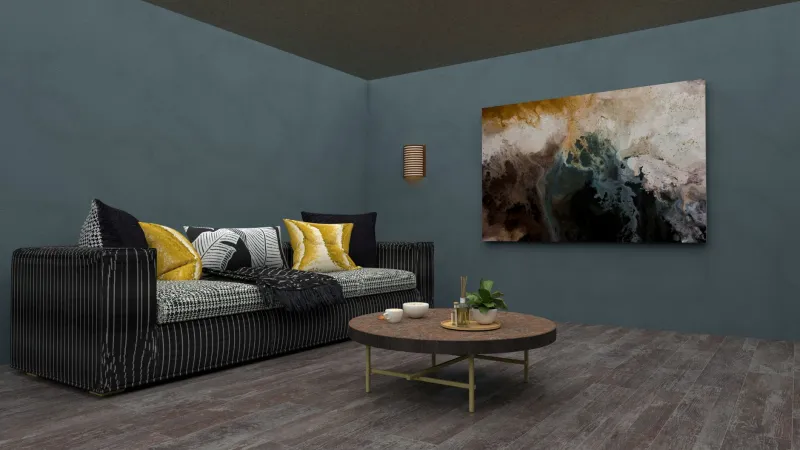
If you're working with a sofa that has a strong cool gray-blue undertone and you paint your walls a warm beige, those undertones are going to clash in a way that's hard to put your finger on but impossible to ignore. Knowing this before you paint saves you a costly do-over.
Define Your Style DNA (Without Overthinking It)
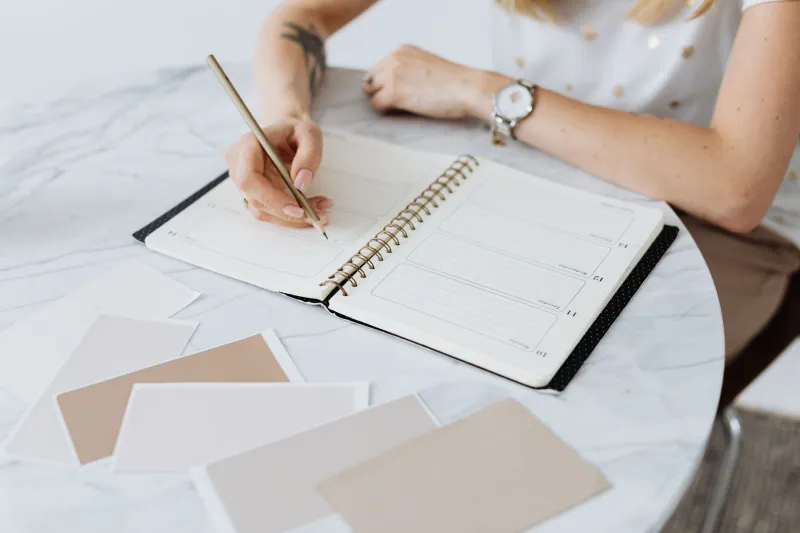
Here's where things get personal. Grab a notebook — or just open your Notes app — and answer a few honest questions about how you actually live in this room.
How much time do you spend here? A room you pass through quickly doesn't need the same level of visual complexity as one where you spend hours every day. What mood do you want to feel when you walk in? Energized? Calm? Cozy? Inspired? What are three words that describe how you want guests to feel in this space?
Don't just pull from design accounts on Instagram. Look at the spaces in your life where you've genuinely felt comfortable and at ease — a hotel lobby that stopped you in your tracks, a friend's apartment that felt instantly warm, a coffee shop you return to again and again. What were the walls doing in those spaces?
This isn't about copying someone else's aesthetic. It's about identifying the emotional target you're aiming for before you start making decisions.
Create a Simple One-Page Vision Map
Once you've done your light audit, taken your measurements, photographed your furniture, and defined your style direction, it's time to bring it all together. You don't need fancy software — a sheet of paper or a basic digital mood board will do.
Write down your room's light conditions, your ceiling height, your dominant furniture tones, and your three mood words at the top. Then gather 3–5 images that reflect the feeling you're going for. These become your filter for every decision that follows.
When you're standing in front of a wall of paint swatches or scrolling through wallpaper options, you're not asking "Do I like this?" anymore. You're asking "Does this fit my map?" That's a much easier question to answer — and it's what keeps you from making a $400 mistake you'll be living with for the next three years.
The Bottom Line
Wall transformations are exciting, and the urge to just dive in is completely understandable. But the most beautiful rooms you've ever seen — the ones that feel effortless and intentional at the same time — didn't happen by accident. They started with someone who understood the space before they tried to change it.
Do the reading before you do the painting. Your walls — and your budget — will thank you.